

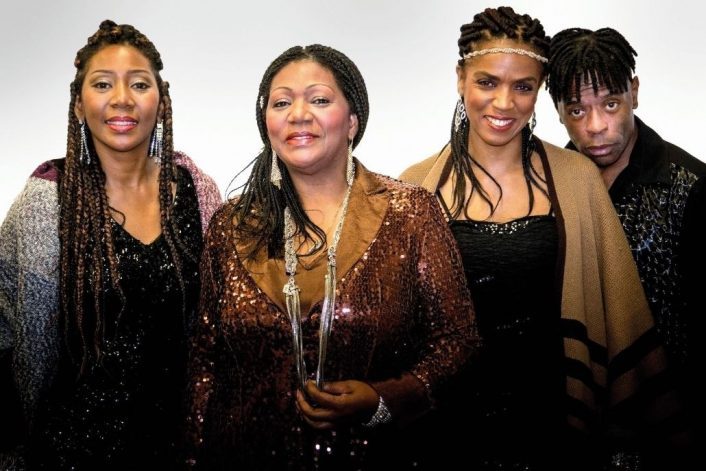
Request Sent Successfully!
Thank you for your interest in Boney M.
We will be delighted to perform for you.
You got email, check your inbox !!! spam folder too !!!
Looking forward to hearing from you soon
Maya +447869422699

Boney M became one of the most recognisable pop and disco groups of the 1970s, creating a catalogue of songs that continues to reach audiences around the world.
Created by German producer Frank Farian, Boney M developed from a studio project into an internationally successful performing group. The classic line-up — Liz Mitchell, Marcia Barrett, Maizie Williams and Bobby Farrell — became known for a distinctive combination of memorable melodies, powerful rhythms, vocal harmonies and colourful stage performances.
At the centre of the classic Boney M sound were the recorded vocals of Liz Mitchell, Marcia Barrett and producer Frank Farian. Liz Mitchell, who joined the group in 1976, became one of the principal voices associated with some of Boney M’s best-known recordings and remains closely connected with the group’s musical legacy today.
The story of Boney M began before the famous four-member line-up appeared on television screens and concert stages.
In 1974, producer and singer Frank Farian recorded the dance track “Baby Do You Wanna Bump.” The recording was subsequently released under the name Boney M.
As interest in the song developed, a performing group was needed to represent Boney M in television appearances and live performances. The project went through an early period of development before the line-up most audiences now associate with Boney M came together.
By 1976, Liz Mitchell, Marcia Barrett, Maizie Williams and Bobby Farrell had formed what became the classic Boney M performing line-up.
This combination of a carefully produced studio sound and a distinctive visual identity helped make Boney M different from many other acts of the period.
Farian’s production combined elements of disco, pop, soul, reggae and dance music, while the performers gave Boney M an immediately recognisable presence on stage and television.
The result was a musical project that could cross national and cultural boundaries — an important reason why Boney M went on to achieve success in markets far beyond Germany.
The classic Boney M line-up consisted of four performers whose names became internationally associated with the group:
Liz Mitchell joined Boney M in 1976 and became one of the principal vocalists of the group’s classic recordings.
Born in Jamaica and raised in the United Kingdom, Mitchell brought a warm, soulful and highly recognisable vocal character to the Boney M sound. Her voice became an important part of recordings that would later be heard by millions of people around the world.
Marcia Barrett was another important vocalist in the classic Boney M line-up.
Her vocal contributions, together with those of Liz Mitchell and Frank Farian in the studio, helped create the layered harmonies that became an important part of Boney M’s musical identity.
Maizie Williams became an essential part of Boney M’s classic visual and performing line-up.
Her stage presence contributed to the group’s distinctive image during television appearances, concerts and international tours.
Bobby Farrell became one of the most instantly recognisable figures in Boney M through his energetic dancing, charismatic performance style and striking stage presence.
Although Boney M’s recording process was unusual compared with that of a conventional live band, the chemistry of Mitchell, Barrett, Williams and Farrell on stage became a defining part of how audiences experienced Boney M.
Together, the four performers formed the classic line-up remembered by generations of fans.
The voice of Liz Mitchell became one of the defining elements of the classic Boney M sound.
Boney M was never simply a conventional four-piece vocal group in which every visible performer had the same recording role. Frank Farian developed the project through studio production, using carefully arranged vocal layers and instrumental recordings to create a distinctive sound.
Liz Mitchell and Marcia Barrett provided important female vocals, while Farian also contributed studio vocals to Boney M recordings.
Within this production style, Liz Mitchell’s voice became particularly recognisable.
Her vocal tone brought warmth and emotional character to the songs, whether the material was upbeat disco, melodic pop or music influenced by reggae and soul.
Mitchell can be heard across Boney M’s classic repertoire, and her voice became closely connected with the sound audiences identify with the group.
This is one reason her relationship with Boney M has remained important long after the original hit-making era.
For many listeners, the story of Boney M is not only about the songs themselves but also about the distinctive voices that made those recordings immediately recognisable.
The year 1976 was a turning point in the history of Boney M.
Although “Daddy Cool” did not immediately become a major success when it was first released, television exposure helped transform the song’s fortunes.
A performance on the German television programme Musikladen introduced Boney M to a much wider audience, and “Daddy Cool” developed into a major European hit.
The song established many of the elements that audiences would soon associate with Boney M: a memorable rhythm, a highly distinctive vocal arrangement, a powerful visual presentation and an instantly recognisable chorus.
Its success gave the group the momentum needed to expand internationally.
Boney M was no longer simply a studio name connected with a dance record. The group now had a recognisable line-up, a strong visual identity and a hit capable of opening doors across Europe and other international markets.
The breakthrough of “Daddy Cool” marked the beginning of an extraordinary period of success.
After the breakthrough of “Daddy Cool,” Boney M experienced a remarkable run of international success.
The group released a succession of songs that combined strong melodies with disco rhythms, pop arrangements and influences drawn from different musical traditions.
Hits such as “Ma Baker,” “Belfast,” “Rivers of Babylon,” “Brown Girl in the Ring,” “Rasputin,” “Mary’s Boy Child / Oh My Lord” and “Gotta Go Home” helped establish Boney M across Europe and in many other parts of the world.
The group became especially notable for its ability to reach audiences across different countries and cultures.
Boney M’s music was heard throughout Europe, Africa, Asia, the Middle East and other international markets, creating a level of recognition that has continued for decades.
The late 1970s were the defining years of the group’s commercial success.
During this period, Boney M appeared on major television programmes, toured internationally and released recordings that became part of the soundtrack of the disco era.
The group’s popularity was not based on one single hit. It was built through a catalogue of songs with very different characters — from the dramatic storytelling of “Rasputin” and “Ma Baker” to the melodic warmth of “Rivers of Babylon” and the dance-floor energy of “Daddy Cool.”
This variety helped Boney M move beyond the boundaries of a typical disco act.
Boney M created a catalogue that remains widely recognised decades after the original recordings were released.
Among the group’s best-known songs are:
“Rivers of Babylon” became one of Boney M’s most successful and enduring recordings.
Its combination of a memorable melody, layered vocals and a distinctive arrangement helped the song reach audiences far beyond the disco scene.
“Daddy Cool” was the song that transformed Boney M into a major European act and remains one of the most instantly recognisable recordings associated with the group.
With its driving rhythm and historical narrative, “Rasputin” became one of Boney M’s most distinctive songs.
Decades after its original release, the track has continued to find new audiences through streaming, social media and popular culture.
“Ma Baker” combined storytelling, dramatic spoken elements and an energetic disco arrangement.
It became another major international hit during Boney M’s classic period.
Released alongside “Rivers of Babylon,” “Brown Girl in the Ring” became an important part of the group’s best-known repertoire.
Boney M’s recording of “Sunny” gave the song a distinctive disco treatment and became one of the group’s enduring favourites.
“Gotta Go Home” is another example of the melodic and rhythmic style associated with Boney M at the end of the 1970s.
Boney M’s recording of “Mary’s Boy Child / Oh My Lord” became one of the group’s most successful seasonal releases and remains closely associated with Christmas music in many countries.
Together, these songs demonstrate why the Boney M catalogue has remained familiar to several generations of listeners.
Boney M’s success was not limited to individual singles.
The group released a series of albums during its classic period, including:
Take the Heat off Me
Love for Sale
Nightflight to Venus
Oceans of Fantasy
Boonoonoonoos
Christmas Album
Ten Thousand Lightyears
Eye Dance
Among these, Nightflight to Venus became one of the most important albums of Boney M’s career.
Released during the group’s extraordinary 1978 period, it included major songs such as “Rivers of Babylon,” “Brown Girl in the Ring” and “Rasputin.”
In the United Kingdom, Boney M achieved multiple major chart successes during the classic era.
The group recorded two UK No. 1 singles, ten Top 10 singles and seventeen Top 40 singles, while several Boney M albums also reached the top of the charts.
Numbers tell only part of the story, however.
Boney M’s significance also comes from the geographical reach of the group’s music. Their songs became well known in markets where many Western pop and disco acts had far less exposure.
This international reach helped transform Boney M from a successful European disco act into a global popular-music phenomenon.
Like many successful groups, Boney M changed significantly after its peak commercial years.
The original hit-making period gradually came to an end during the 1980s, and the members followed different professional and personal paths.
Over the following decades, different touring projects and line-ups used variations of the Boney M name, which has sometimes created confusion for audiences trying to understand the relationship between the original group and later live projects.
The classic recordings, however, remained popular.
Compilations, radio airplay, television appearances, films, streaming services and later social-media trends introduced songs such as “Daddy Cool,” “Rasputin” and “Rivers of Babylon” to new generations.
Bobby Farrell continued performing for many years before his death in 2010.
The other members of the classic line-up also followed their own paths after the original Boney M era.
For Liz Mitchell, the music of Boney M remained a central part of her performing career.
Rather than treating the songs simply as material from the past, she continued bringing the repertoire to live audiences internationally.
The continuing popularity of these songs demonstrates something unusual about Boney M: the music became associated with the disco era without remaining confined to it.
Today, Liz Mitchell continues to perform internationally as Boney M feat. Liz Mitchell, bringing the classic Boney M repertoire to concert audiences around the world.
Her performances connect the modern live show directly with an artist who was part of Boney M during the group’s classic era and whose voice contributed to its recorded sound.
The repertoire continues to include songs such as “Rivers of Babylon,” “Daddy Cool,” “Rasputin,” “Ma Baker,” “Brown Girl in the Ring,” “Sunny” and other Boney M favourites.
Liz Mitchell also remains active through special appearances and collaborations.
In January 2026, she appeared at the Joy Awards in Riyadh, including a performance with classical crossover group Il Divo.
Her contribution to music and charitable work has also received official recognition. In the 2024 Birthday Honours, Liz Mitchell was appointed a Member of the Order of the British Empire (MBE) for services to music and charity.
Decades after Boney M first reached international audiences, Liz Mitchell continues to represent a direct connection between the classic recordings and today’s live performances.
For current performances and confirmed appearances, visitors can view the latest Boney M feat. Liz Mitchell tour dates on this website.
Boney M was created by German producer and singer Frank Farian. The project began with the recording of “Baby Do You Wanna Bump” before developing into the internationally known performing group.
The best-known classic Boney M line-up consisted of Liz Mitchell, Marcia Barrett, Maizie Williams and Bobby Farrell.
Frank Farian remained central to the project as producer, songwriter and studio vocalist.
Liz Mitchell was one of Boney M’s principal lead vocalists and became one of the most recognisable voices associated with the group.
Marcia Barrett also provided important lead and backing vocals, while Frank Farian contributed studio vocals to many Boney M recordings.
Liz Mitchell joined the developing Boney M line-up in 1976, the same year in which “Daddy Cool” became the group’s major international breakthrough.
Yes. Liz Mitchell’s voice is an important part of the classic Boney M recordings and became one of the defining vocal elements associated with the group’s sound.
Because Boney M’s studio recording process involved several vocalists, credits should be considered on a song-by-song basis rather than assuming that every visible member performed every recorded vocal part.
Boney M’s best-known songs include “Rivers of Babylon,” “Daddy Cool,” “Rasputin,” “Ma Baker,” “Brown Girl in the Ring,” “Sunny,” “Gotta Go Home” and “Mary’s Boy Child / Oh My Lord.”
Boney M’s songs combine memorable melodies, strong rhythms and highly recognisable vocal arrangements.
The group’s music has also continued to reach new generations through radio, television, films, streaming platforms, remixes and social media.
Songs including “Rasputin,” “Daddy Cool” and “Rivers of Babylon” remain particularly recognisable decades after their original release.
Yes. Liz Mitchell continues to perform internationally as Boney M feat. Liz Mitchell, presenting the classic repertoire to contemporary audiences.
Current concert information and confirmed tour dates are available on the official Boney M feat. Liz Mitchell website.
The classic Boney M performing line-up of the 1970s consisted of Liz Mitchell, Marcia Barrett, Maizie Williams and Bobby Farrell.
Boney M feat. Liz Mitchell is the current live project featuring Liz Mitchell, an original member and principal vocalist from Boney M’s classic era.
It allows audiences today to experience the music of Boney M performed with a direct connection to the group’s original history.
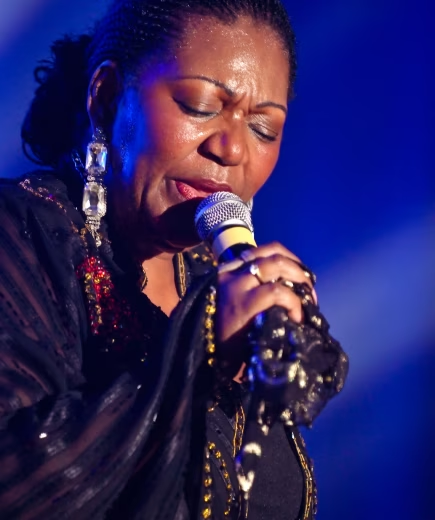
Boney M Liz Mitchell contact:
Official website: boneym-lizmitchell.com
Email: info@boneym-lizmitchell.com
Phone: +447869422699
WhatsApp: +447869422699
Official Liz Mitchell Instagram: @boneym_liz_mitchell
The group’s manager is Thomas P.
Boney M Liz Mitchell’s booking agent and tour manager is Maya F.
Hiring Boney M Liz Mitchell for Corporate Events, Private Parties, Festivals and Weddings is easy with worldwide Booking Agent Maya of Boney M with Liz Mitchell.
